Whether the aim of a tour is performance, development or experience, one factor remains constant: how well you prepare before leaving largely determines how the tour will unfold. Effective preparation starts long before arrival at the venue and continues throughout the journey itself. Understanding what to consider at each stage helps riders stay organised. From the final days at home to the first hours on site, this preparation supports the horse’s routine and allows the tour to begin with clarity rather than stress.
In the following sections, we look at what to prepare at home, what to consider on the road and how to manage the journey to avoid unnecessary stress.
Before departure at home
Maintaining routine before leaving
The most important part of tour preparation takes place at home, where there is time and calm to plan ahead. Horses benefit from leaving within a familiar routine, which means daily schedules should be adjusted as little as possible leading up to departure. Equipment should be checked in advance for fit and condition, and items that are used daily at home are best brought along rather than replaced at the last minute.
Checking consumables and daily care items
It is also important to consider consumables. Supplements, grooming products and basic care items that are readily available at home tend to run out faster than expected on tour. In the week leading up to departure, many riders choose to slightly adjust their supplementation to support their horse’s immune system, often by introducing a short-term vitamin boost. This is particularly common ahead of longer transport and exposure to new environments. At the same time, additional support for gut and stomach health is frequently considered. Travel, changes in routine and unfamiliar surroundings can place extra strain on digestion, making gastro or digestive supplements a regular part of tour preparation.
Structured loading and checklists
Loading the truck often takes more time than anticipated. For that reason, a structured approach is essential. Preparing a clear checklist in advance reduces the risk of forgetting essential items and prevents last-minute uncertainty during loading.Using a well-organised tack trunk can help keep equipment protected and clearly arranged, making loading and unloading more efficient throughout the journey. Including basic cleaning tools, such as brooms, forks and shovels, also helps maintain order in the truck and temporary stabling areas.
Administrative and health checks
In addition to equipment, administrative and health-related aspects require attention. Check the FEI passport of each horse and ensure all vaccinations are correct and up to date. When touring abroad, it is also necessary to arrange the required health certificates in accordance with current regulations.
Daily health monitoring is another important part of preparation. Measuring the horse’s body temperature and correctly registering it in the FEI app helps detect potential issues at an early stage.
On the road
The road to a showjumping tour is more than just the distance between home and venue. Travel days shape the horse’s physical condition and influence how the tour begins.
Planning the journey
A smooth journey starts with careful planning. Preparing the route in advance helps reduce unnecessary stress for both horse and rider. Choosing suitable stopover locations where horses can rest properly, selecting efficient routes and aiming to travel at times with lower traffic all contribute to a calmer and more predictable journey. Avoiding peak traffic hours where possible helps limit delays and reduces time spent in the truck.
Travel days rarely go exactly according to plan. Delays, traffic and last-minute changes are part of the process and require flexibility. Being prepared also means considering how individual horses respond to travel. Some horses are more sensitive to transport and benefit from additional support when travel-related stress is expected. Using supplements formulated for stressed travellers is therefore a common part of the preparation.
Transport comfort and basic needs
The impact of transport on horses is often underestimated. Long hours in the truck require additional attention to comfort, hydration and routine. Access to water, familiar feeding moments and basic care items help horses arrive in better condition. Providing each horse with a high-quality hay net and buckets for drinking/eating supports comfort during transport and breaks.
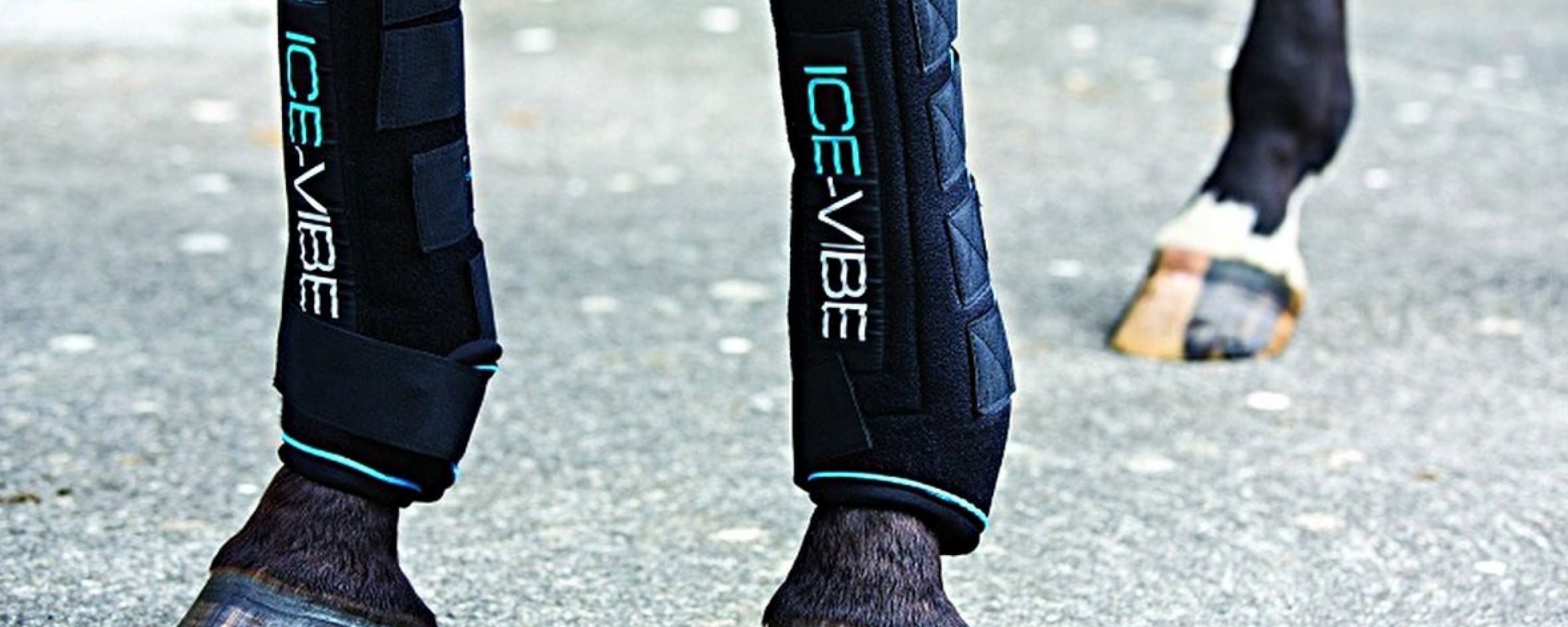
Depending on weather conditions and individual needs, light transport blankets can add extra comfort, while appropriate leg protection helps reduce the risk of minor injuries during travel.
Adequate ventilation is equally important, which means ensuring truck windows are correctly adjusted to allow fresh air to circulate. And while focusing on the horses, don’t forget to bring snacks for yourself as well ;-)
Organisation and accessibility
Many riders find it practical to keep frequently used items within easy reach during transport, so that not everything needs to be unloaded at every stop. Designating an accessible area for essential equipment, including a first-aid kit for both horses and rider, improves efficiency on the road.
During stopovers
During long-distance transport, stopovers are a deliberate part of the travel strategy rather than a simple pause. They help manage the physical demands of extended time in the truck and support a smoother transition to the next phase of the journey. How stopovers are organised influences both recovery during travel and how comfortably horses arrive at the tour venue.
Allowing horses to recover
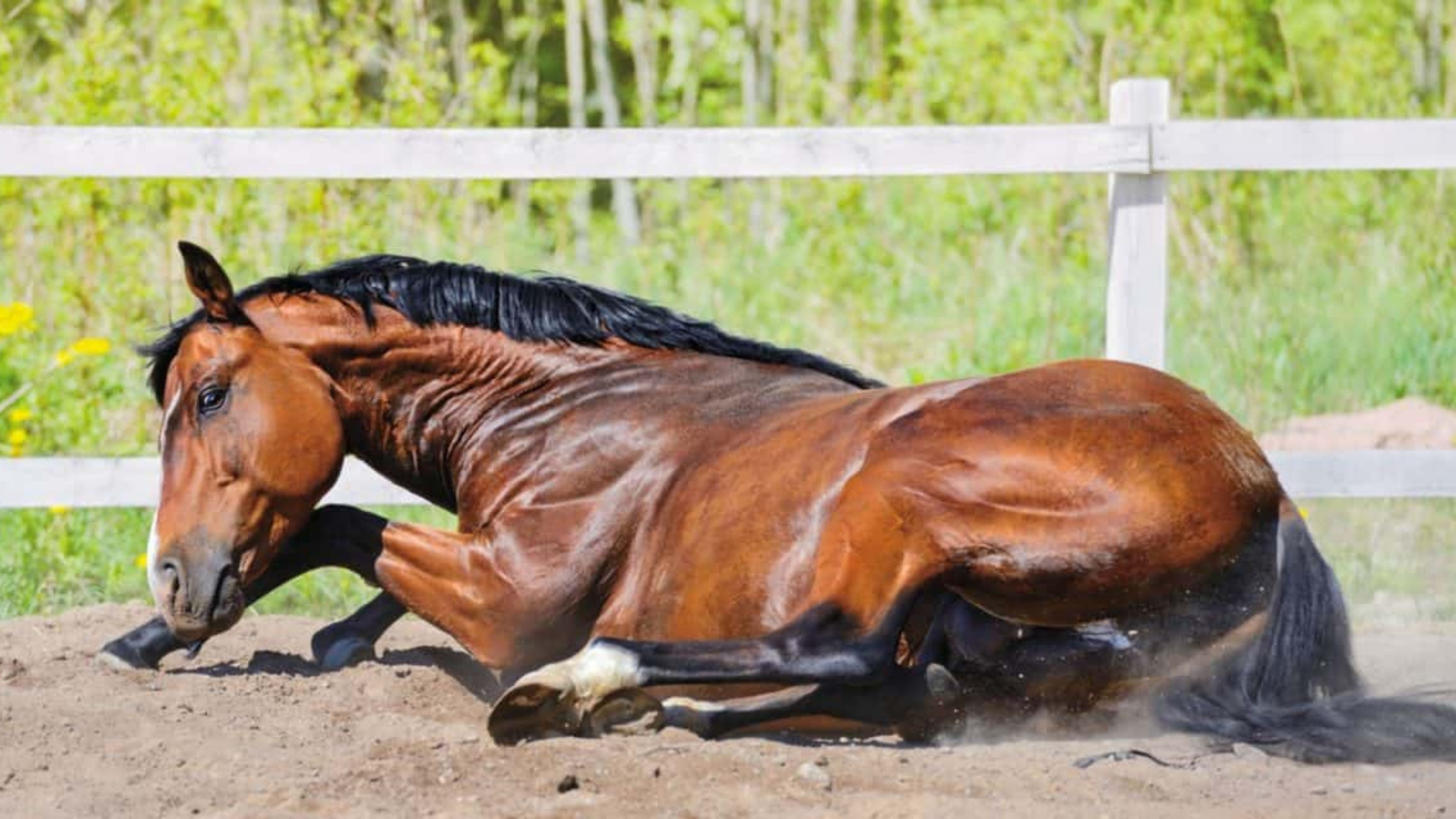
For longer journeys, a proper stopover is often planned, allowing horses to spend several hours in a stable. These rest periods give horses the opportunity to eat, drink and lie down in a calm environment. Stable curtains can help create a familiar, quieter environment that supports rest during stopovers. This supports physical recovery and overall well-being before continuing the journey the next day.
Light movement and circulation
During stopovers, light movement is recommended to help horses regain circulation after prolonged time in the truck. Hand-walking supports muscle activation, helps reduce stiffness and allows metabolic waste products to be cleared more efficiently. This gentle reactivation lowers the risk of discomfort once travel resumes or upon arrival at the tour venue.
Maintaining routine during rest periods
Routine remains an important stabilising factor during stopovers. Keeping feeding times, handling and care as close as possible to the horse’s home routine helps maintain calm and makes the transition back to transport smoother. When a longer stopover is planned, scheduling the final feed approximately one hour before departure is recommended, so the horse does not re-enter the truck with a full stomach.
Veterinary considerations
Depending on the length of transport and the intensity of the tour, consulting with a veterinarian in advance can be beneficial for specific horses. This allows for tailored advice and adds an extra layer of reassurance before continuing to the next stage of the journey.
On the tour itself
Once the journey is complete and the tour begins, a new set of challenges comes into play. Daily routines, recovery strategies and equipment choices start to shape life on tour.