Anyone who regularly competes internationally knows that arriving at a show is a process. Everyone within the team understands their role, and the transition from transport to competition follows a structured routine. Still, it is those first hours on the showground that often determine how smoothly the rest of the week will run. This is where the foundation is laid for stability, efficiency, and comfort. For both horse and team.
Administrative Check-In: A Smooth Start
Upon arrival, one team member heads to the show office while the rest prepare to unload the horses. At international events under the supervision of the Fédération Equestre Internationale, FEI passports are checked, vaccinations are reviewed, and any required health certificates are verified.
After registration, each horse is assigned its official competition number. This number must be clearly visible at all times when the horse leaves the stable, both during training and on the showground. In practice, this means that the competition number or bridle number is often attached to the halter or bridle immediately upon arrival, ensuring it is not forgotten when heading to the warm-up or arena for the first time. An organized document folder and a fixed place for competition numbers make this process efficient and prevent unnecessary searching later in the day.
The Horse Comes First
After check-in, the focus shifts entirely to the horses. Unloading calmly, walking them briefly, and making an initial observation remain standard procedure. Upon arrival, the temperature is taken using a reliable thermometer. Water is then offered immediately to support recovery after transport.
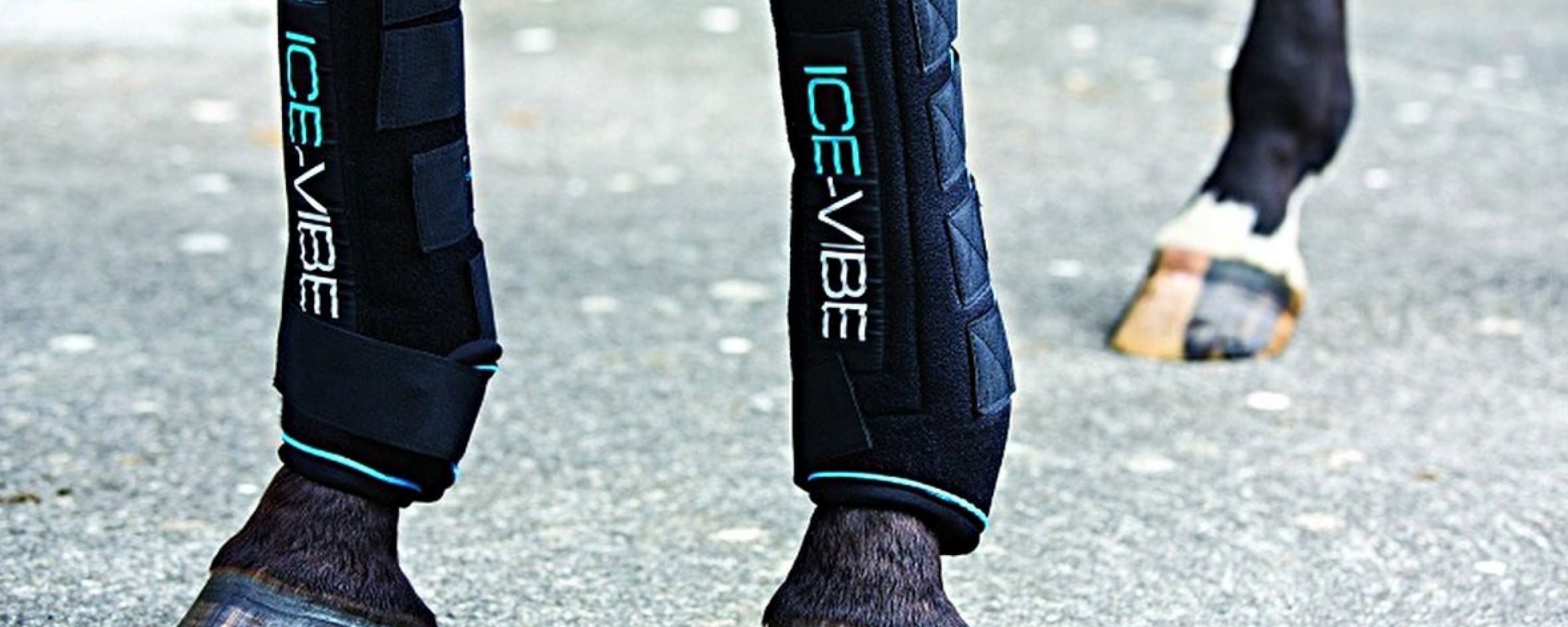
This is also where the importance of quality transport equipment becomes clear. Proper transport boots and comfortable transport rugs contribute significantly to how fresh a horse steps off the truck.
The Stable as an Extension of Home
Once the horse is settled in the stable, everything is arranged so that routine can return as quickly as possible. Hay nets are hung at a familiar height, water buckets are positioned consistently and the space is organized to create order and calm. For that reason, many international riders choose to bring their own stable equipment instead of relying entirely on what is provided on site. Using familiar materials helps maintain consistency throughout longer tours.
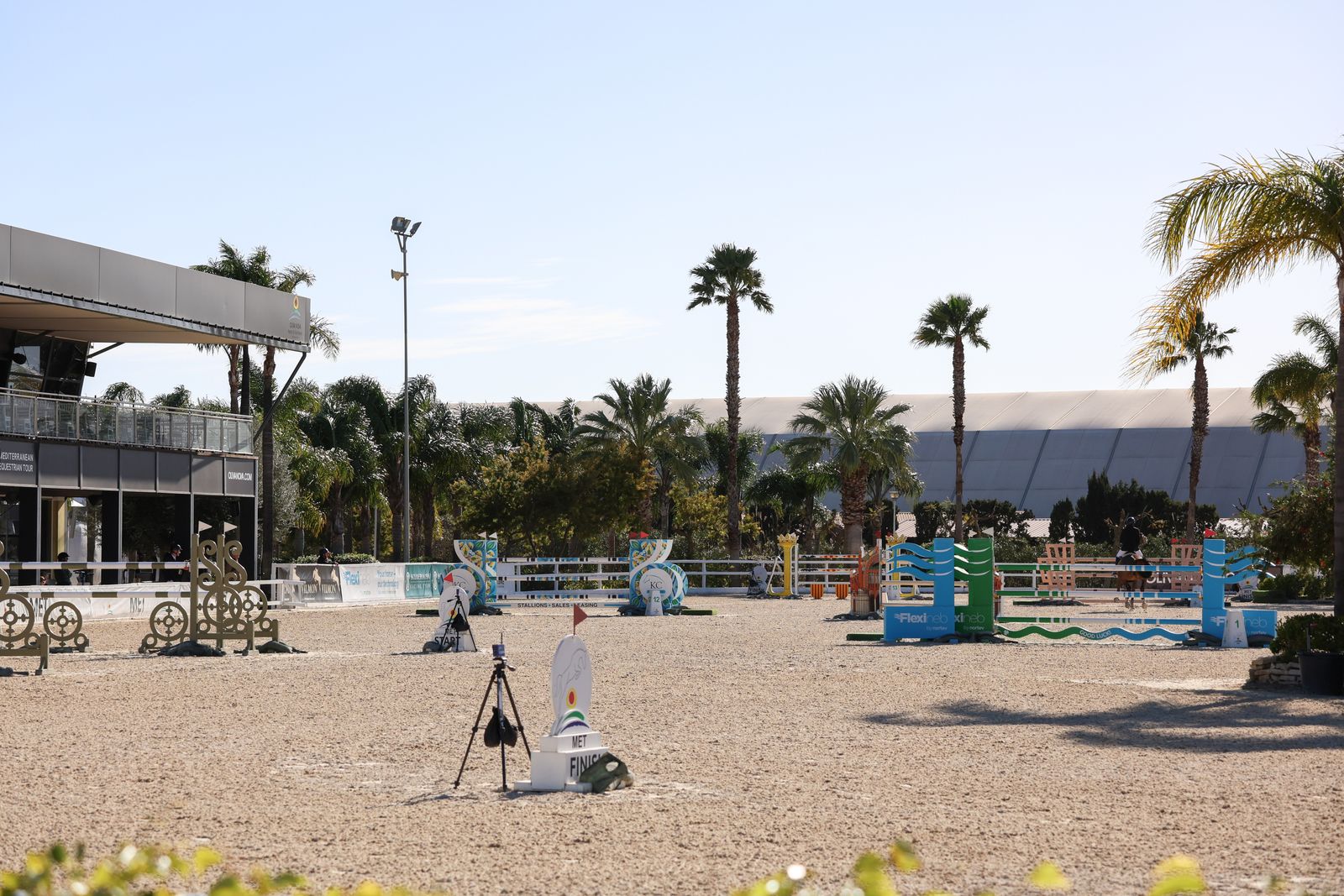
When heading south for tours such as Vilamoura, Oliva MET, or the Sunshine Tour, it is important to bring rugs for the horses. Although daytime temperatures are often warm and sunny, evenings can cool down quickly. After sunset in particular, temperatures can drop significantly, and clipped horses require extra protection to remain comfortable. Rain is also not uncommon during this period, so a good waterproof rug should always be part of your equipment. And while packing, do not forget a proper rain jacket for yourself ;-)
The Veterinary Inspection
At many international competitions, the official veterinary inspection takes place shortly after arrival. During this vet check, the horse is presented in walk and trot and assessed for soundness and overall health.
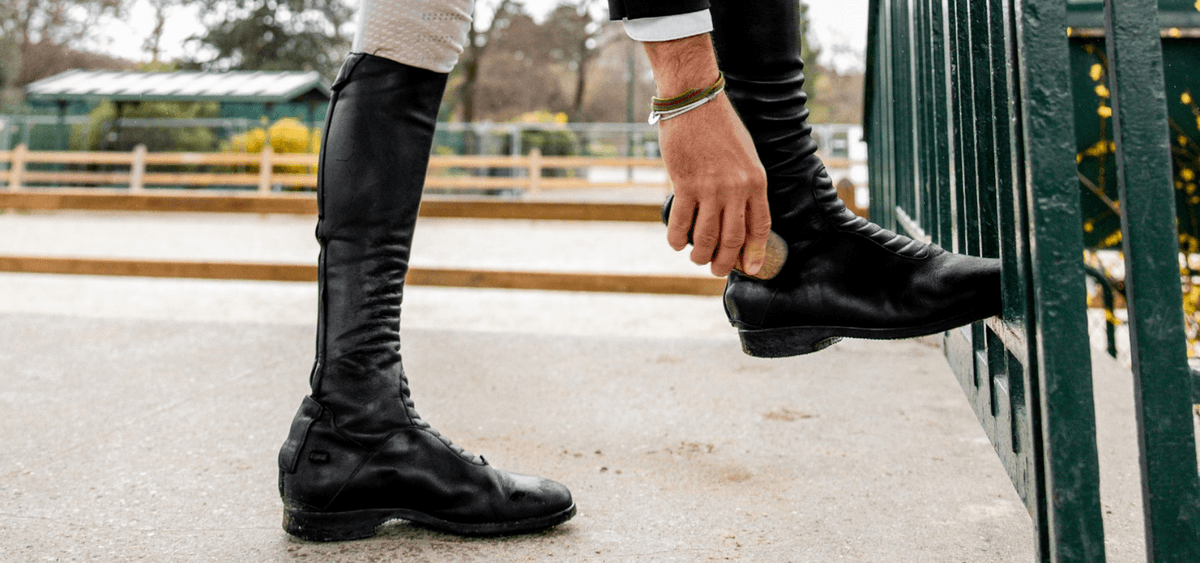
A well-prepared presentation begins with correct handling, but also with well-maintained equipment. A neat, properly fitted bridle with the competition number correctly attached and well-cared-for leatherwork contribute to a professional appearance. At this level, small details often make the difference. During the inspection, horses are presented without leg protection or rugs so that the veterinarian can maek an accurate assessment.
The First Training Session
After settling in, a first light training session usually follows. The horse explores the arena, feels the footing, and returns to work after transport. The focus is on relaxation and rhythm. The competition number must remain clearly visible whenever entering the showground. It is a small administrative detail, but one that is strictly enforced at international competitions.
Flexibility Throughout the Week
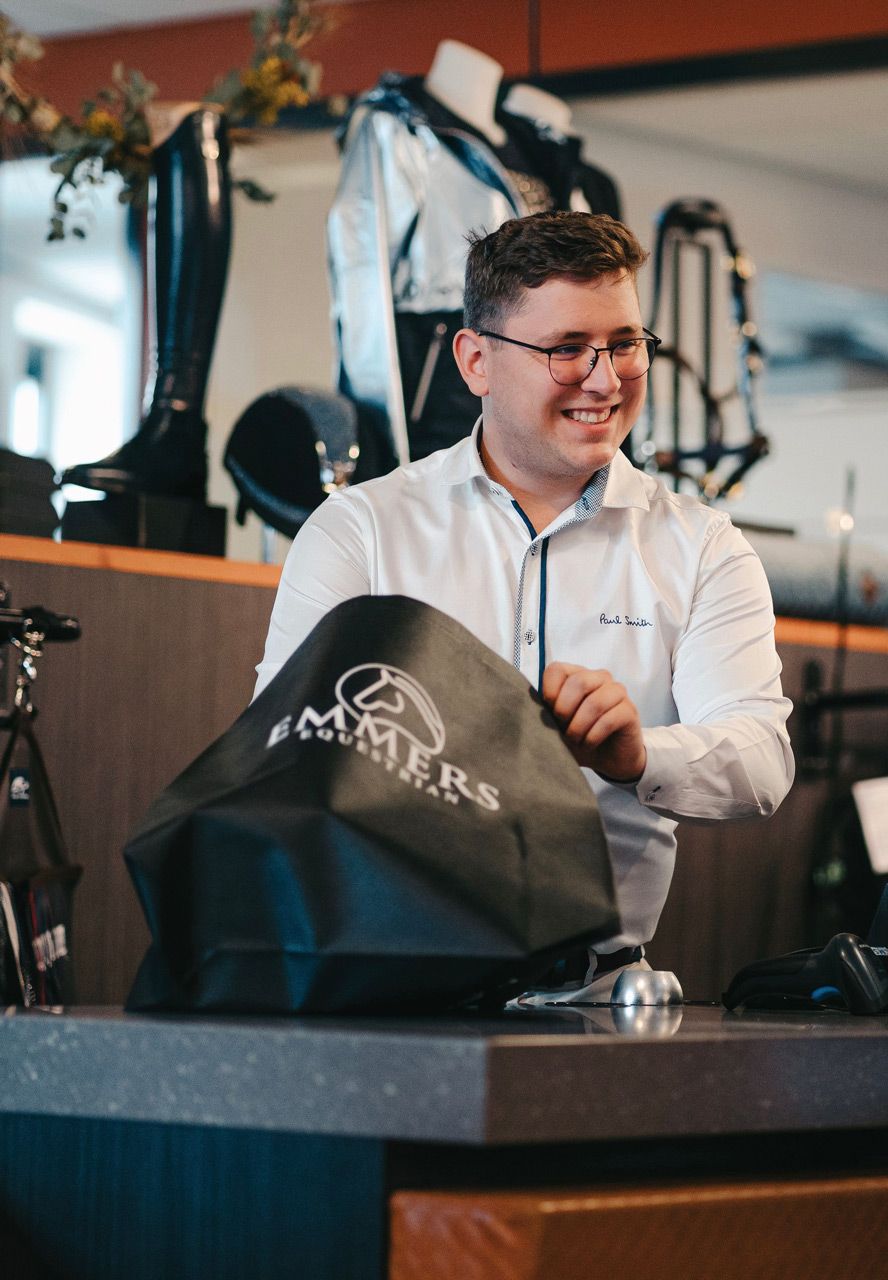
Even experienced teams may encounter unexpected needs during an international week. Weather conditions can change, an additional waterproof rug may be required, a pair of jumping boots may tear, or a supplement may run out sooner than planned. Thorough preparation minimizes these risks, but international tours also require flexibility. That is why Emmers Equestrian offers fast shipping to international show locations. If you realize you need something during the competition, it can be delivered directly to the venue, ensuring your schedule and routine remain uninterrupted. For riders competing over multiple weeks, this provides additional reassurance: there is no need to bring everything in duplicate, knowing that reordering during the tour remains possible.
The Rider Must Settle In Too
While the primary focus on tour is naturally on the horses, arrival also marks the beginning of a new routine for the rider. Whether staying in the truck or in a hotel, how quickly you establish structure for yourself influences how sharp you feel throughout the week.
Those staying in the truck know how important practical organization is. A clear layout, clothing that can dry after a long day, and preparation for changing temperatures prevent unnecessary improvisation in the mornings. International competitions often involve significant temperature differences between early mornings and afternoons in the arena. Good base layers, light sweaters, and a proper rain jacket ensure you are prepared regardless of the conditions.
Even when staying in a hotel, preparation remains key. Competition days are intense and demand focus. Taking time in the evening to review the schedule and prepare your equipment for the following day helps create mental clarity.
At a high level, a tour is not only about the physical preparation of the horse, but also about the rider’s mental sharpness. Structure, comfort, and sufficient recovery moments make the difference between simply being present and truly performing.
A Stable Foundation for Performance
Ultimately, an international tour is built on consistency. The more efficiently you arrive, organize, and structure your setup, the more stable the rest of the week will be. Not through major adjustments, but through thoughtful choices in organization, equipment, and planning.
Horse Competition Gear | Shop at EmmersGet ready for the show |