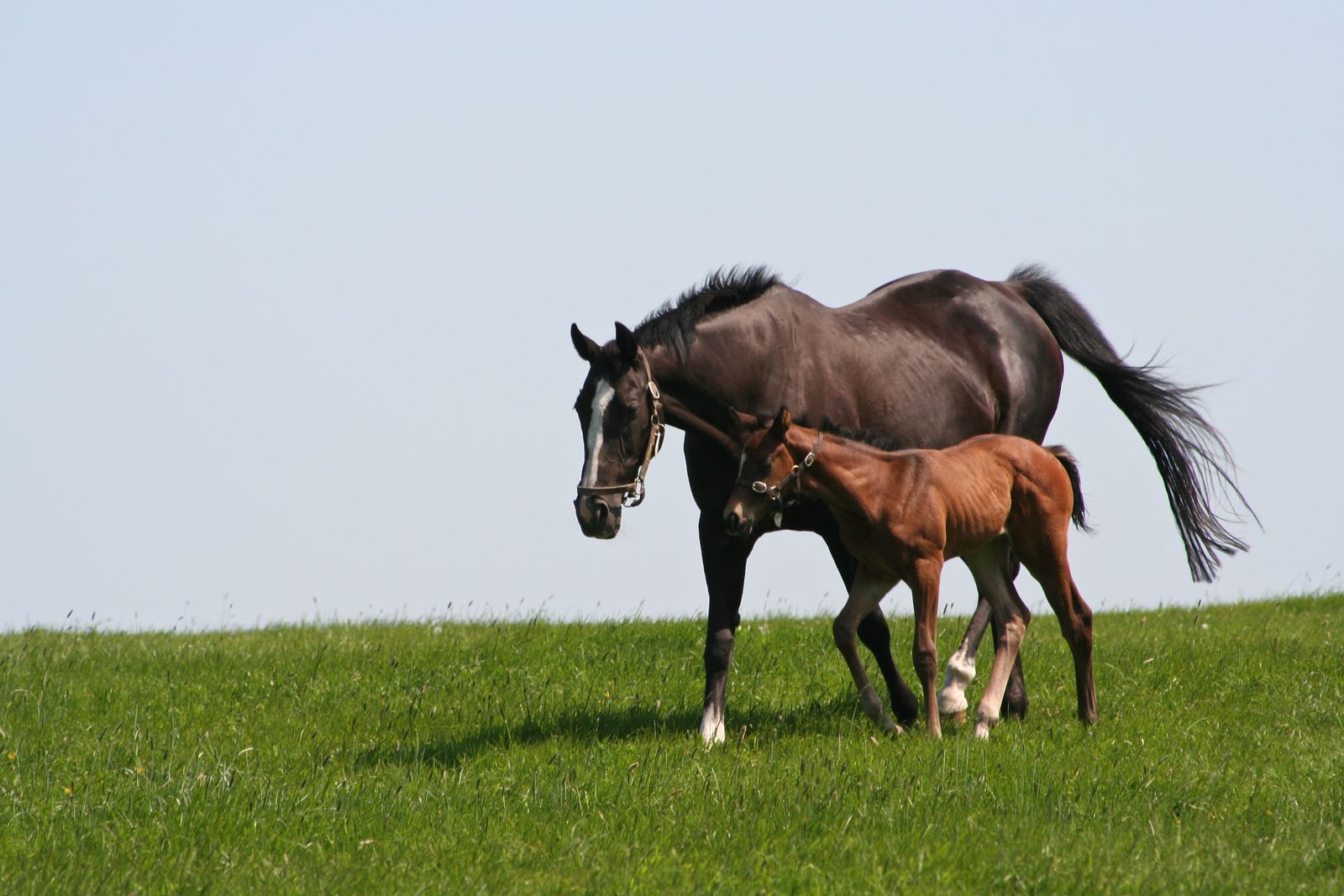
The foaling season is a special and intensive period for every horse owner or breeder. Whether you are expecting a foal for the first time or have experienced multiple births, proper preparation remains essential for a safe and calm start.
Foaling often happens quickly and, in many cases, during the night. That is exactly why it is important not to rely solely on observation, but also to use the right tools, such as foaling alarms for horses and a well-planned foaling preparation. Small details can make a big difference at the right moment.
In this blog, we guide you step by step through the most important aspects. With these five practical tips, you will gain more control, reduce stress, and create the best possible conditions for both mare and foal.
1. Start monitoring your mare in time
One of the biggest challenges during the foaling season is timing. The exact moment of birth is difficult to predict, but the signs gradually become clearer.
Pay attention to:
- Udder development
- Waxing of the teats (often 24 to 48 hours beforehand)
- Behavioral changes such as restlessness or isolation
Because many mares foal at night, constant monitoring can be difficult. That is why more and more breeders choose to use a foaling alarm for horses.
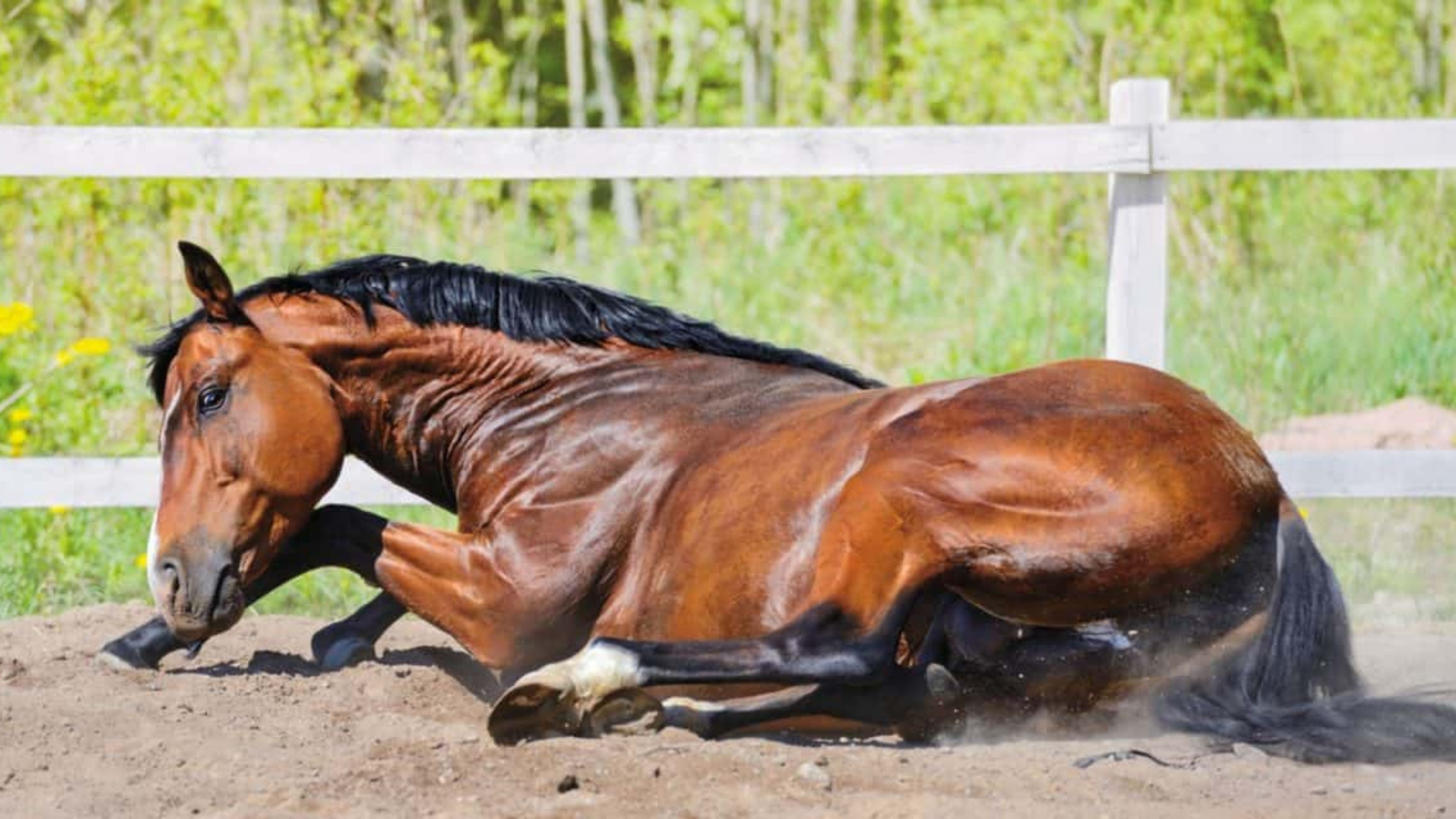
Systems such as the Birth Alarm Lite 2.0 and the Birth Alarm Classic Complete work based on the natural behavior of the mare during labor. When contractions begin, a mare will almost always lie fully on her side. This is a specific position required to initiate the foaling process.
The sensor detects this position. If the mare remains in this position for a certain period, it is recognized as a contraction and you will receive an immediate alert. This allows you to respond quickly and be present at the right moment.
Although both systems work on the same principle, there are clear differences:
- Simple and user-friendly
- Direct notification via phone or receiver
- Ideal for private use
- Reliable basic monitoring
- More advanced settings and adjustments
- More precise monitoring
- Multiple alert options
- Suitable for intensive or professional use
The main advantage of both systems is that you do not need to constantly check physically, while still being immediately informed of the critical moment.
2. Prepare a proper foaling environment
The environment in which the mare gives birth has a major impact on how the foaling process unfolds.
A proper foaling stable is:
- Clean and hygienic
- Spacious enough
- Provided with a thick layer of straw
Calmness is essential. Too many stimuli or disturbances can delay the foaling process. A quiet and safe environment helps the mare relax completely.
3. Prepare a complete foaling kit and support with proper nutrition
During foaling, you do not want to be searching for equipment. Everything should be within reach.
A good foaling kit includes:
- Clean towels
- Disinfectant for the navel
- Gloves
- Thermometer
- Tail bandage
- Lubricant (if needed)
Foal halter
A well-fitting foal halter is important for the first moments of handling. Choose an adjustable model that fits securely and can grow with the foal.
Why proper nutrition is important
Nutrition plays a crucial role in the final stage of pregnancy and the first months of the foal’s life.
For the mare
During the last three months of pregnancy, the foal grows the fastest. The mare’s nutritional needs increase significantly, making a balanced diet essential. Important nutrients include:
- Calcium and phosphorus for bone development
- Copper and zinc for growth and immunity
- Vitamins A, D and E
A proper diet supports:
- Healthy development of the foal in the womb
- The mare’s condition and vitality
- A strong foundation for the lactation period
Supplementation can be a valuable addition during this phase, depending on the mare’s specific needs.
For the foal
The first months of life form the foundation for the horse’s future development. During this period, a good start, proper nutrition, and calm management are essential.
Not every foal requires additional supplements. Whether extra support is needed depends on factors such as growth, development, and the base diet of both mare and foal. A balanced nutritional approach contributes to:
- Healthy growth
- A strong foundation for future development
- A good start in the early stages of life
4. Reduce stress and create calmness
Stress is an important but often underestimated factor. Possible causes include:
- Changes in environment
- Transport
- Disturbances in the stable
A relaxed mare often experiences a smoother foaling process. A supplement such as Vetgen Tranquility can help reduce tension and support a calmer state during the final stage of pregnancy.
5. Know what is normal - and when to intervene
Foaling in horses usually happens quickly. That is why it is important to understand what is normal. Guidelines:
- The foal should stand within 1 hour
- The foal should drink within 2 hours
- The placenta should pass within 3 hours
Be alert for:
- No progress within 30 minutes
- Abnormal positioning
- A weak foal
If in doubt, always contact your veterinarian.
Conclusion
The foaling season is all about preparation, timing, and calmness. By starting monitoring early, having the right equipment ready, and minimizing stress, you create the best conditions for a safe birth.
With tools such as a foaling alarm, a complete foaling kit, and proper support for both mare and foal, you can approach the foaling season with confidence.
Emmers Equestrian offers a carefully selected range of products for riders and breeders who want the best for their horses.
A good preparation today makes all the difference when it truly matters.
FAQ
How do you know a mare is about to foal?
Signs include waxing, udder development, and behavioral changes.
When should you start monitoring a mare?
Around 1 to 2 weeks before the expected due date.
What do you need for the foaling season?
A foaling kit, foal halter, proper nutrition, and optionally a foaling alarm.
How long does foaling take?
Usually between 10 and 30 minutes.
Is a foaling alarm necessary?
Not required, but it significantly increases the chance of being present at the right time.